




On a weekday morning and afternoon, Fran logs onto Zoom, adjusts her screen, and waits for a familiar face to appear.
There’s no formal lesson plan or rigid curriculum laid out in advance. Instead, there’s a conversation. Sometimes about opera, sometimes about a job, sometimes about something as simple as a ferry ride across New York Harbor to Staten Island.
For Fran, a retired editor and author, this weekly ritual has become something steady and meaningful. For her conversation partners, it can be something even more essential: a chance to be heard, to practice English without fear, and to feel, even briefly, at home.
At Catholic Charities of New York’s International Center, these small, human exchanges are the foundation of a much larger mission.
A Place Where Language Meets Life
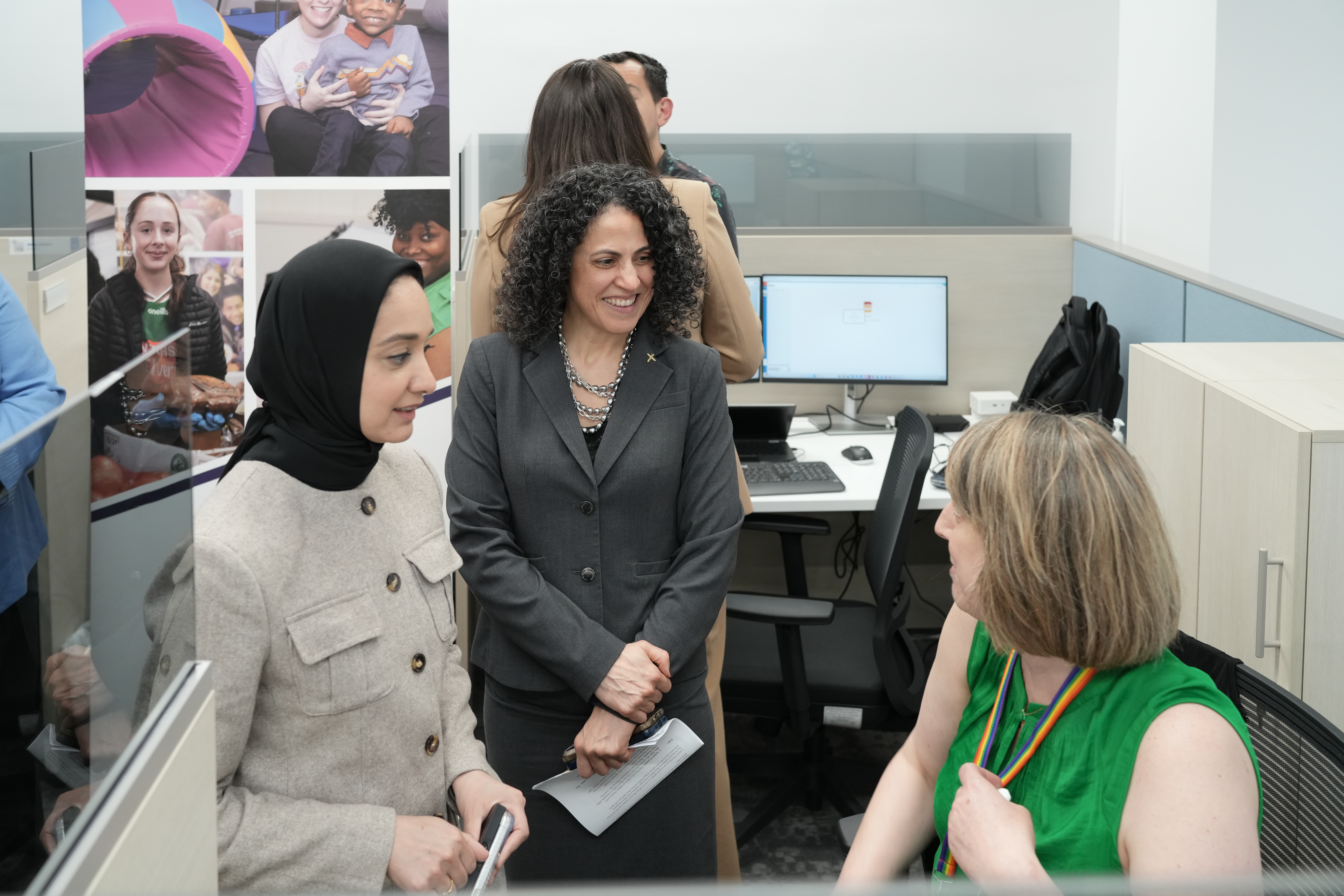
At first glance, the International Center looks like a place for an English program. Spend a little time there, though, and it feels more like a meeting place shaped by people as much as by language.
For more than six decades, the Center has served newcomers to New York City, helping them build the skills needed to live, work, and participate fully in their communities. That includes ESOL classes, citizenship preparation, workforce development, and digital literacy. Each year, the International Center serves more than 1,100 students across its programs.
But ask anyone involved, and they’ll tell you that what really matters happens in between the Center’s offerings. It happens in conversations.
“It’s really isolating when you don’t know the language,” said Teresa Lintner, Volunteer and Partnership Coordinator. Teresa, who goes by Terre, has seen firsthand how difficult those early months, or years, can be. Even daily errands become complicated. Social life shrinks. Confidence takes a hit.
That’s when volunteers step in to help.
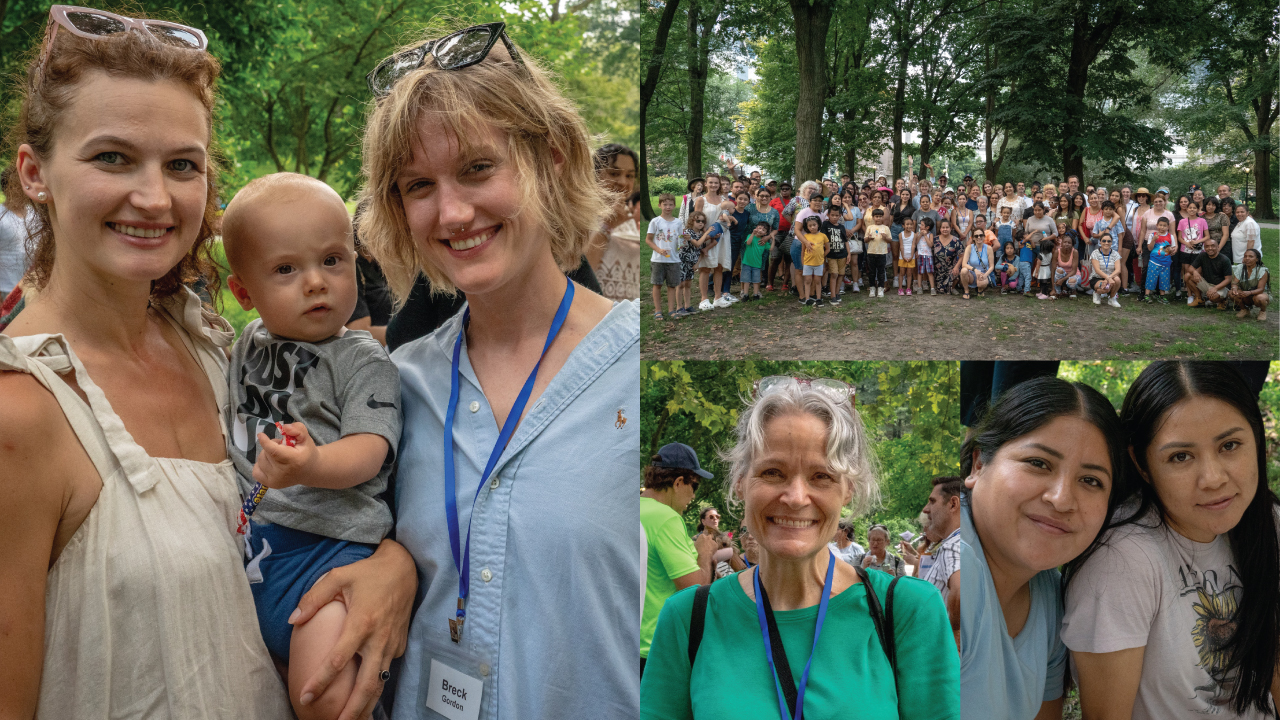
Through the Center’s conversation partnership program, volunteers are paired one-on-one with learners. The goal isn’t perfection. It’s connection. It’s about creating space for them to be heard. “I am being heard. Someone hears me,” Terre explained, describing what the experience can feel like for students. “It creates community and a social network among students and volunteers,” she said. For many students, that sense of connection is the first step toward everything else feeling possible.
More Than Language: Building Confidence and Belonging in New York
Language learning takes time, often years.
For many students at the International Center, time is a scarce resource. They’re working jobs. Raising children. Figuring out housing. Adjusting to a new country where everything, from grocery stores to school systems, feels unfamiliar.
“They have a life,” Terre said. “Everything is in flux.”
And yet, they show up.
That dedication is something both staff and volunteers notice immediately. It’s also why the relationships formed through the Center tend to run deeper than expected. A conversation partner may start as a weekly appointment. Over time, it can become a friendship.
Terre has seen students invite volunteers to family celebrations. She’s heard about shared meals, coffee meetings, and long conversations that extend beyond scheduled hours. Some partnerships last years. In many cases, volunteers hesitate to even log their hours anymore because, as one put it, “we’re kind of friends now.”
From structured support to genuine relationship, that shift is where the work takes root.
Students gain more than vocabulary. They gain confidence. They learn how to navigate conversations, ask questions, and understand cultural nuances that don’t appear in textbooks.
For one student, that meant finally feeling ready to speak with a child’s teacher. For another, it meant exploring the city by visiting new neighborhoods, seeing different communities, and asking questions without embarrassment.
Fran has seen this curiosity up close.
She remembers one partner encountering a Hasidic community in Brooklyn for the first time, unsure of what he was seeing. They talked about it together. Another time, she suggested the Staten Island Ferry — “a very cheap date,” she joked — and it became a small but memorable adventure for him and a date. These moments might seem minor. They aren’t. They’re part of what it means to begin to belong in New York City.
Fran approaches each conversation with a clear focus, shaping discussions around what matters most to them. She tailors her conversations to her students’ goals, meeting each learner where they are and helping them build the specific skills and confidence they need to succeed.
Why Volunteers Keep Coming Back to the International Center
Ask volunteers why they stay, and the answers aren’t what you might expect.
“I feel like I’m getting more than I’m giving,” is something Terre hears often. It’s said with a kind of surprise, even embarrassment. Terre doesn’t quite agree, but she understands the feeling.
Volunteers bring time, patience, and care. They also bring their own lives into the conversation: stories about work, retirement, hobbies, or family. In return, they’re invited into someone else’s world.
For Fran, the connection runs deep. Her family history plays a role. Her mother, a first-generation Italian American, struggled with identity and belonging. Fran recounted her mother’s story in The Dream Book: An Anthology of Writings by Italian American Women.
“Those feelings often disturb newcomers to this country,” Fran said, referring to the challenges of adapting to a new culture. “Talking in plain English is valuable to reinforce their place and worth in American culture.”
That belief keeps her coming back.
So does the enthusiasm of her partners. The excitement they share when something goes well, when they understand a story, when they feel themselves improving.
“It is an activity that I truly enjoy pursuing,” she said.
At the International Center, progress isn’t measured only in test scores or completed lessons. It shows up in confidence, in laughter over a mispronounced word, in the quiet satisfaction of being heard and understood.
And it shows up, week after week, when a volunteer logs on, waits for the Zoom screen to flicker to life, and begins again with a simple question to start a conversation:
How was your week?
We count on your support to make services like this possible. You can provide help and create hope. Make a generous, tax-deductible gift today.