






For families across New York, putting food on the table has become increasingly expensive.
As the cost of rent, groceries, utilities, transportation, and other necessities continues to rise, the pressure on household budgets is growing. Consumer prices rose 4.2% over the past year, while inflation-adjusted hourly earnings fell 0.7%, according to the latest Consumer Price Index data from the U.S. Bureau of Labor Statistics.
For many New Yorkers, that growing financial strain means making difficult choices about which necessities they can afford.
This September, Hunger Action Month underscores a growing reality for New Yorkers: the affordability crisis is making it harder for families to put food on the table, thereby increasing the need for resources that help our neighbors make ends meet.
“One of the central focuses of Catholic Charities is simple, but deeply important: feeding the hungry,” said J. Antonio Fernández, CEO of Catholic Charities of New York.
“Across New York, thousands of families and children face food insecurity every day. The rising cost of groceries has placed many families in an impossible position, choosing between paying the rent and putting food on the table,” he said.
When the Household Budget Doesn’t Stretch Far Enough
Food insecurity does not always mean an empty refrigerator. It can mean buying less nutritious food because it costs less, skipping meals so children have enough to eat, stretching groceries longer than they should last, or relying on a food pantry to make it through the end of the month.
And hunger rarely exists in isolation.
For a family already spending a significant portion of its income on housing, an unexpected medical bill, reduction in work hours, rent increase, or other expense can quickly upset a carefully balanced household budget. When most expenses are fixed, groceries can become one of the few places left to cut back.
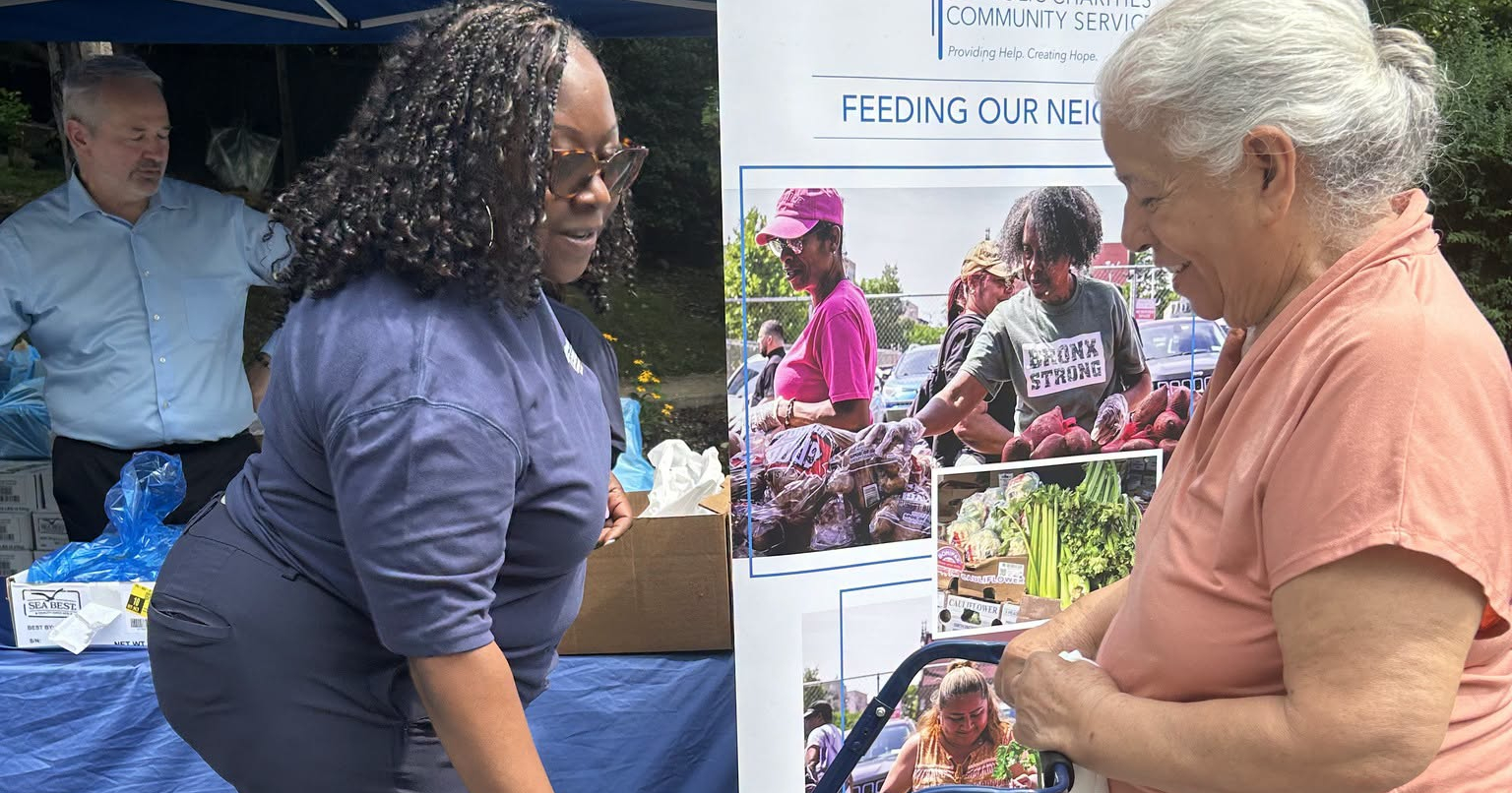
“When families are already struggling to pay for basic necessities like rent and utilities, the last thing they should have to worry about is where their next meal is coming from,” explained Lakisha Morris, Director of Food and Housing Stability at Catholic Charities of New York.
For Catholic Charities, meeting that need means ensuring that families can access nutritious food with dignity when their budgets fall short.
“Food is not a luxury. It’s a necessity,” said Ms. Morris. “This isn’t just about food. It’s about community, compassion, and dignity.”
Helping New Yorkers Put Food on the Table during Hunger Action Month
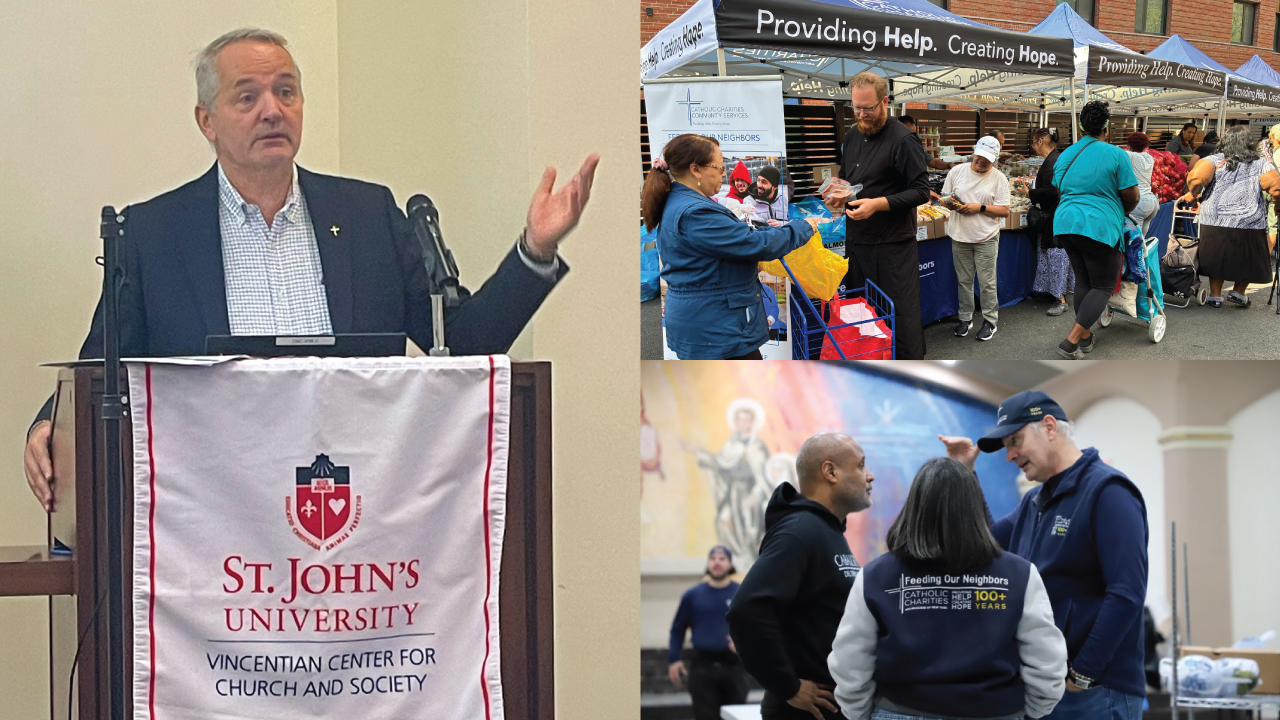
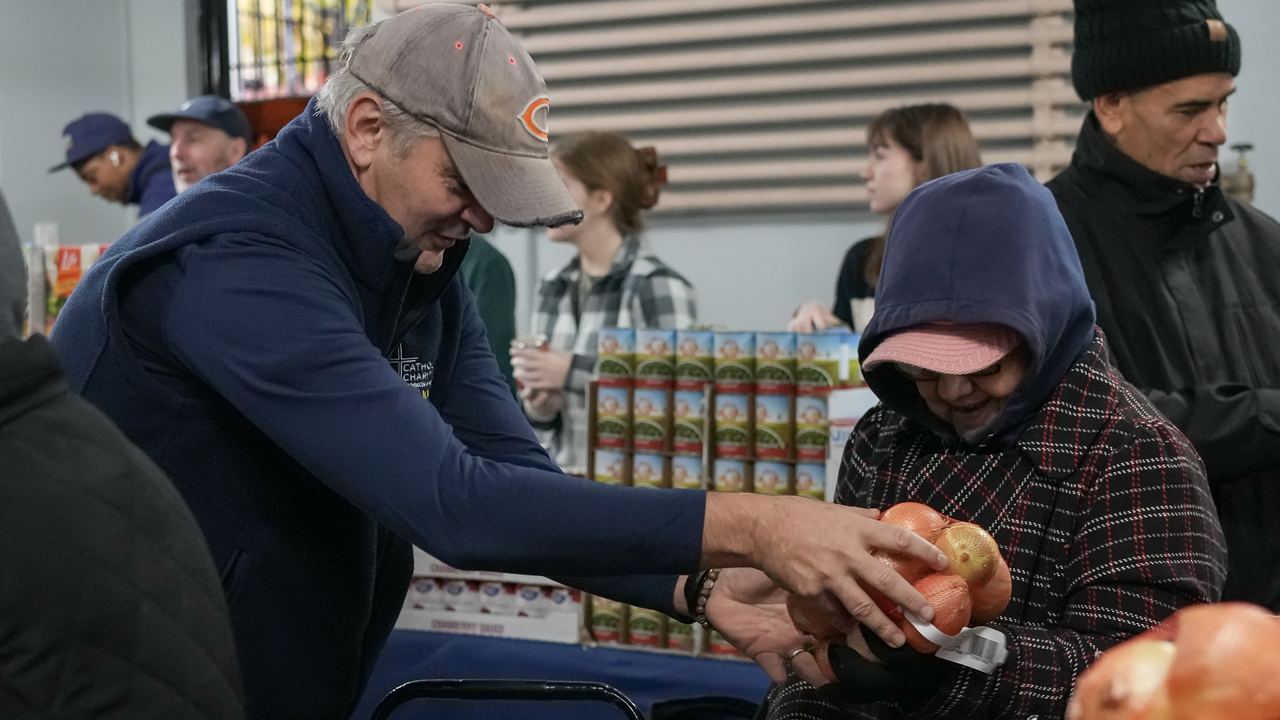
Each year, Catholic Charities of New York provides more than 10 million meals to our neighbors in need. Our extensive network includes food pantries, soup kitchens, mobile pantries, meal delivery services to those who are homebound, and a food distribution hub to make this possible.
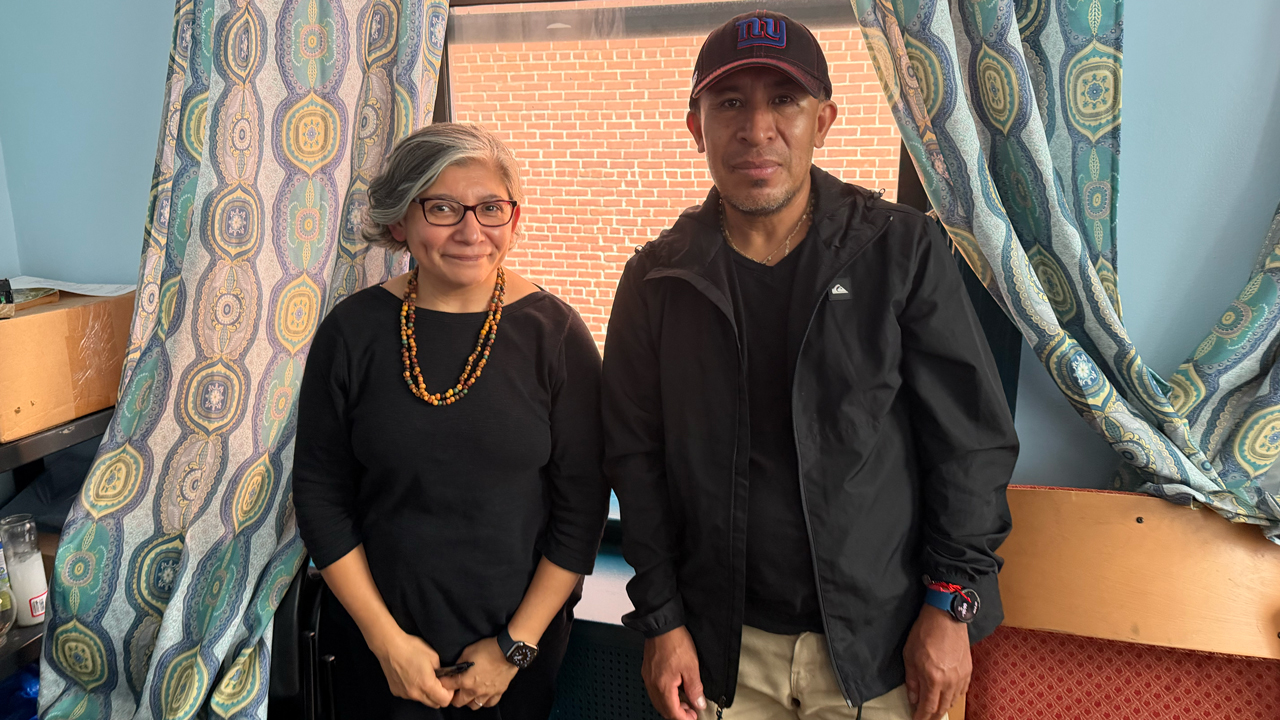
At one Catholic Charities pop-up food distribution in the Bronx, Andre was among more than 250 neighbors who received fresh produce, eggs, canned goods, and other nutritious groceries. It was his first time turning to a Catholic Charities food distribution for assistance.
“I think it’s really good, especially for me,” Andre said. Like many New Yorkers, he was feeling the strain of rising costs. “It’s really, really tough.”
Andre’s experience reflects the pressure many New Yorkers are facing as the cost of basic necessities consumes a growing share of household budgets. Food assistance can provide immediate relief, but Catholic Charities’ work does not stop there.
Catholic Charities of New York also helps eligible New Yorkers navigate public benefits such as the Supplemental Nutrition Assistance Program (SNAP), while connecting individuals and families with Catholic Charities’ case management, housing support services, and other resources that can help address the circumstances contributing to food insecurity.
That combination of immediate food assistance, longer-term support, and wraparound services is central to Catholic Charities’ approach to addressing hunger and food insecurity.
“No child should go to bed hungry. No parent should have to choose between keeping a roof over their family’s head and feeding their children,” said Mr. Fernández. “We will continue bringing food to families who need it most, standing with our parishes and communities, and responding to hunger with compassion, dignity, and action.”