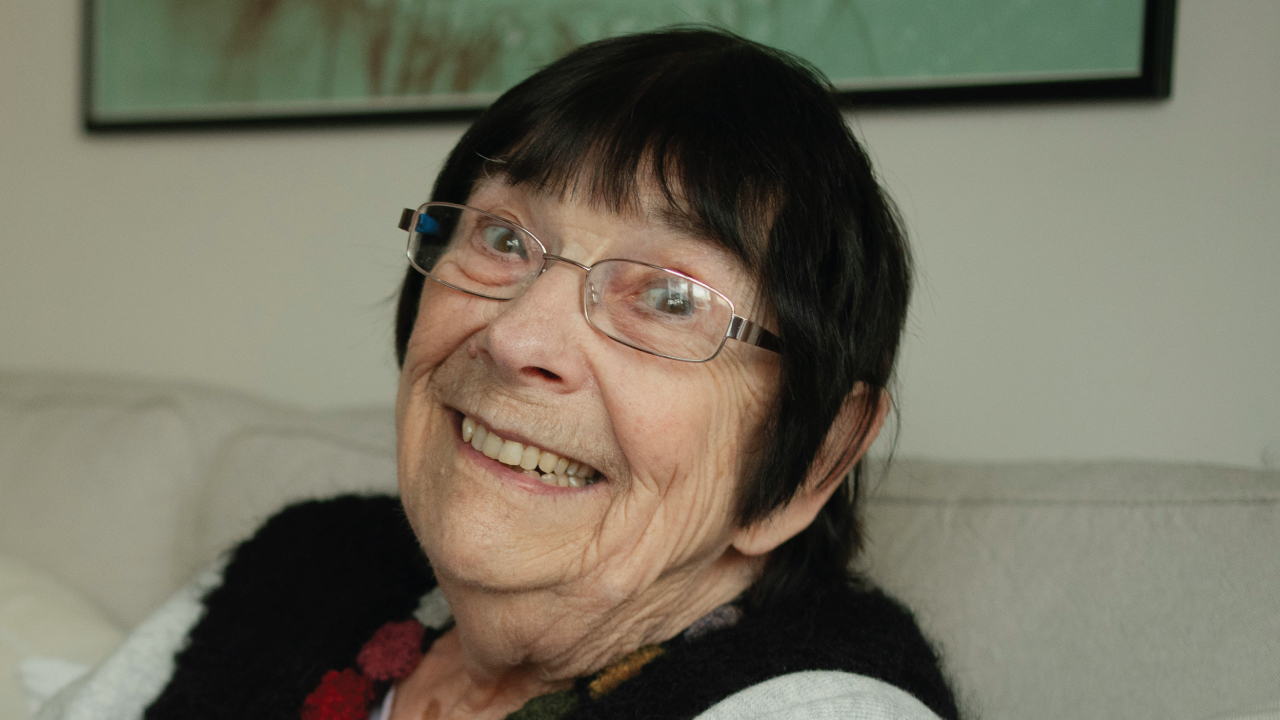




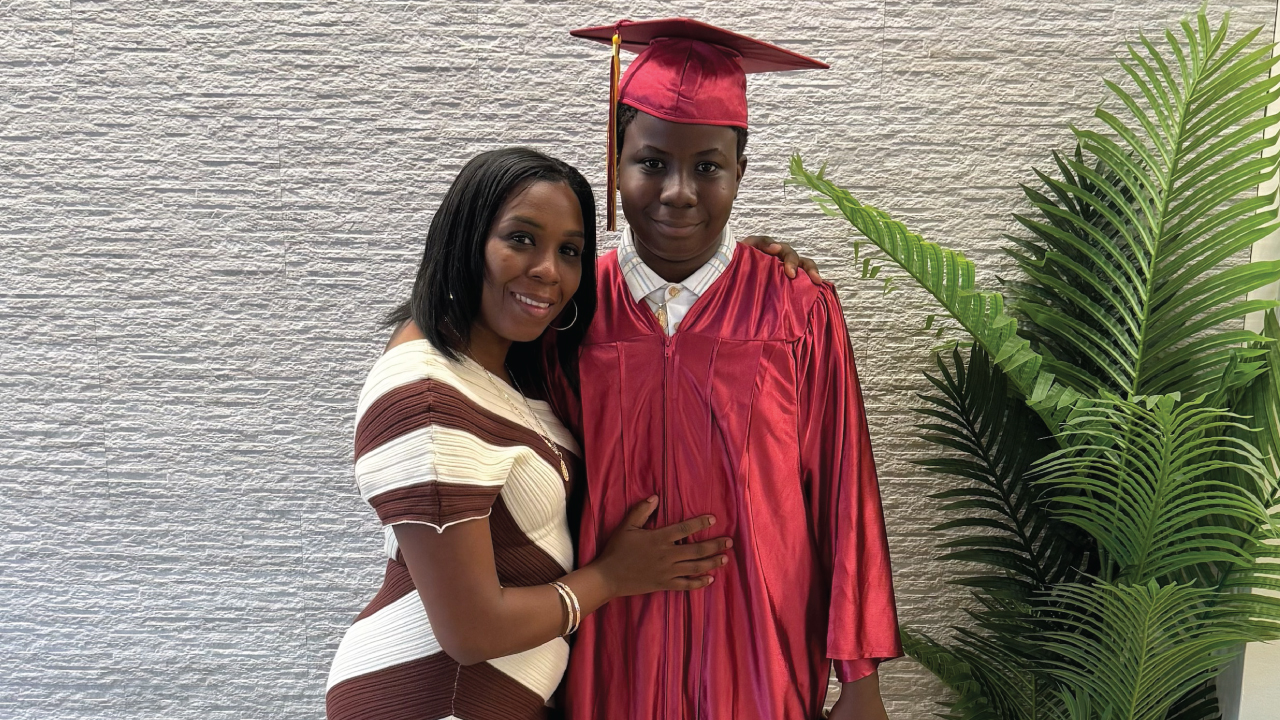
These days, Licis’s mornings begin early and rarely slow down.
She helps get her children ready, heads to work at an elementary school in the Bronx, attends college classes, studies English, and returns home to care for her family. There is little time left for herself, and she wouldn’t have it any other way.
“I’m a young mother,” she said. “I don’t really have time for myself. My time is for my children.”
Today, Licis is pursuing an associate’s degree while strengthening her English skills so she can pass the certification exam to become an assistant teacher. Already working as a paraprofessional with children with special needs, she dreams of continuing her career in education while building an even brighter future for her family.
Just a few years ago, that future seemed far out of reach.
There was a time when Licis feared she might lose the home she had worked so hard to secure.
As a resident of Second Farms, an affordable housing development in the Bronx created by Catholic Homes New York, an agency of Catholic Charities of New York, she found more than an apartment. Through Catholic Charities’ housing support and case management services, she received the guidance, advocacy, and financial assistance that helped prevent her eviction and keep her family safely housed.
Her story shows what can happen when affordable housing is paired with compassionate case management, giving families the stability they need to build brighter futures.
More Than Housing at Second Farms
Opened in 2021, Second Farms provides affordable housing for low-income individuals and families with children. Located in the Bronx, where housing costs continue to outpace incomes for many working families, developments like Second Farms offer both financial relief and stability.
Through Catholic Homes, Catholic Charities of New York sustains more than 3,000 affordable apartments throughout the Archdiocese of New York, helping families and older adults build stable, secure, and hopeful futures.
The need is especially urgent in the South Bronx. New York’s 15th Congressional District has long ranked among the poorest congressional districts in the United States, with more than one-third of residents living below the federal poverty line. Families often juggle rising housing costs, childcare expenses, transportation, and food, leaving little room for unexpected setbacks.
Catholic Charities of New York understands that housing is only one part of the solution.
That is why case management services are embedded within communities like Second Farms, connecting residents with social workers who provide emergency assistance, financial literacy education, workforce development, referrals, and other supportive services that strengthen individuals, families, and neighborhoods.
When Licis first moved into Second Farms in 2021, she didn’t even realize there was a Catholic Charities office in the building. About a year later, she wandered downstairs, not because she needed a particular service, but simply because she was curious.
“I started coming, not asking directly for help,” she recalled. “I just came to talk.”
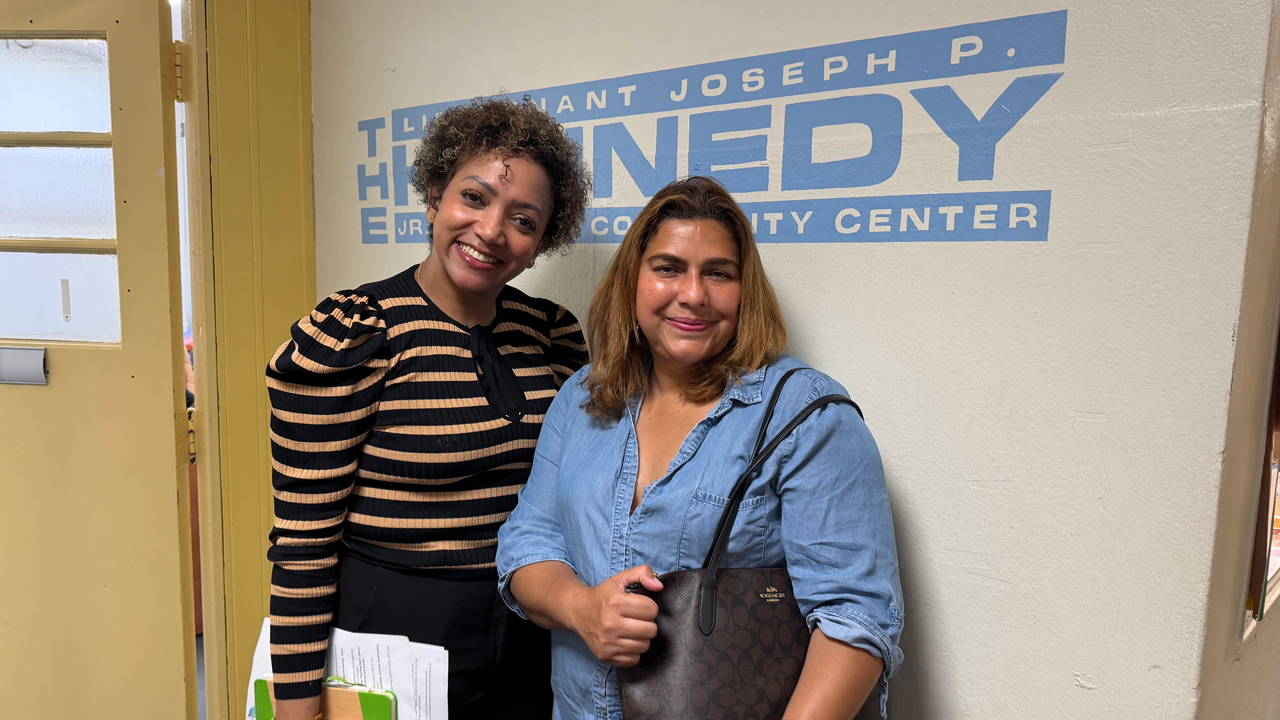
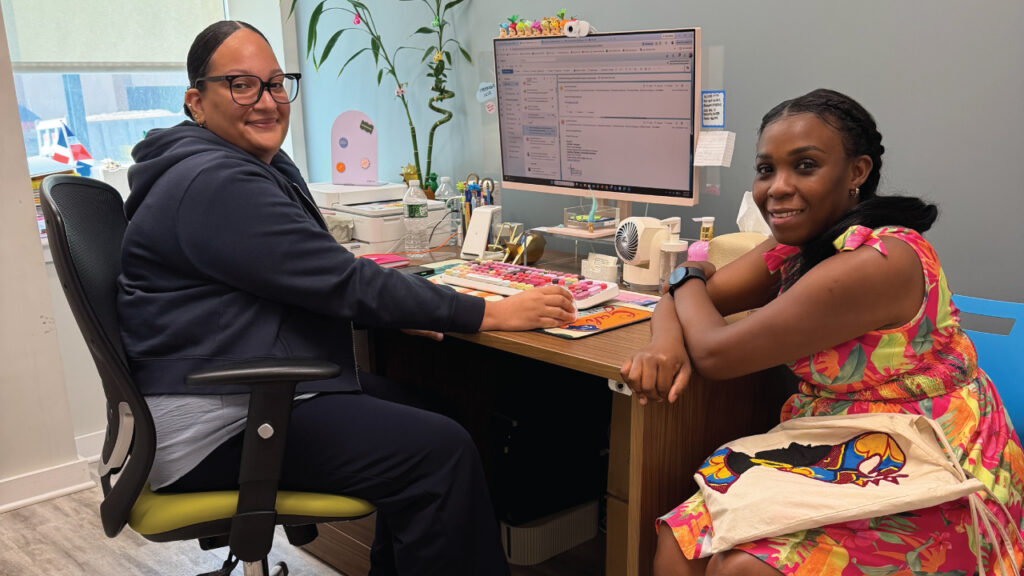
Michelle Jimenez-Camara, Senior Case Manager at Catholic Charities of New York, remembers those early visits. “She wasn’t coming for benefits at first,” Michelle recalled. “She would come downstairs just to talk. We wanted her to know she could always come to us.”
Over time, those conversations became much deeper. Licis began sharing the challenges she was carrying, including the emotional strain of supporting her eldest son while he remained in Honduras and balancing work, family, and financial pressures here in New York.
“We just kept encouraging her to keep fighting. We wanted her to believe she could reach those goals, and that’s what she’s doing today,” Michelle said.
Licis still becomes emotional when she talks about those conversations. “I didn’t expect to meet such incredible human beings,” she said. “When you first come to this country, life can be very stressful,” Licis said. “Sometimes you feel like you’re drowning in a cup of water, and you don’t know how to get out.”
“Catholic Charities was my strength,” she said.
Walking Alongside Families in Need
The support Licis found extended far beyond conversation.
Before moving into Second Farms, her path to stability had been filled with obstacles. After arriving in the United States in 2014, she worked wherever she could, taking jobs in restaurants, hotels, construction, and home care while sending money back to Honduras to support her eldest son, Junior. She survived a devastating apartment fire, lived in temporary housing, and spent years navigating the Housing Connect process — the city’s competitive affordable housing lottery program — before becoming one of the first residents to move into Second Farms in 2021.
“It’s been a good experience,” she said. “It’s a clean building, and having Catholic Charities here makes it so much better.”
Finding a permanent home brought stability, but it did not erase every challenge.
While working to reunite with her eldest son, Licis faced significant legal expenses, hiring attorneys in both the United States and Honduras while continuing to support him from afar. There were times when she had to make the impossible choice between paying her rent and paying the legal fees needed to continue the immigration process.
Michelle immediately began exploring every option available to help Licis stay in her home.
Together, they applied for New York City’s One-Shot Deal, an emergency assistance program that helps prevent eviction for households facing a temporary financial crisis.
Michelle secured rental assistance and advocated with Licis’ landlord during a period of housing instability. Together, those efforts helped prevent her eviction and preserve the stable home her family had worked so hard to find.
“We fought for months,” Michelle recalled. “There were a lot of phone calls. It was stressful, but we stayed with her through the whole process. In the end, we were able to secure the One-Shot Deal and prevent the eviction.”
For Michelle, moments like that illustrate what housing support and case management services are all about. Every family arrives with a different story, and every solution begins by listening.
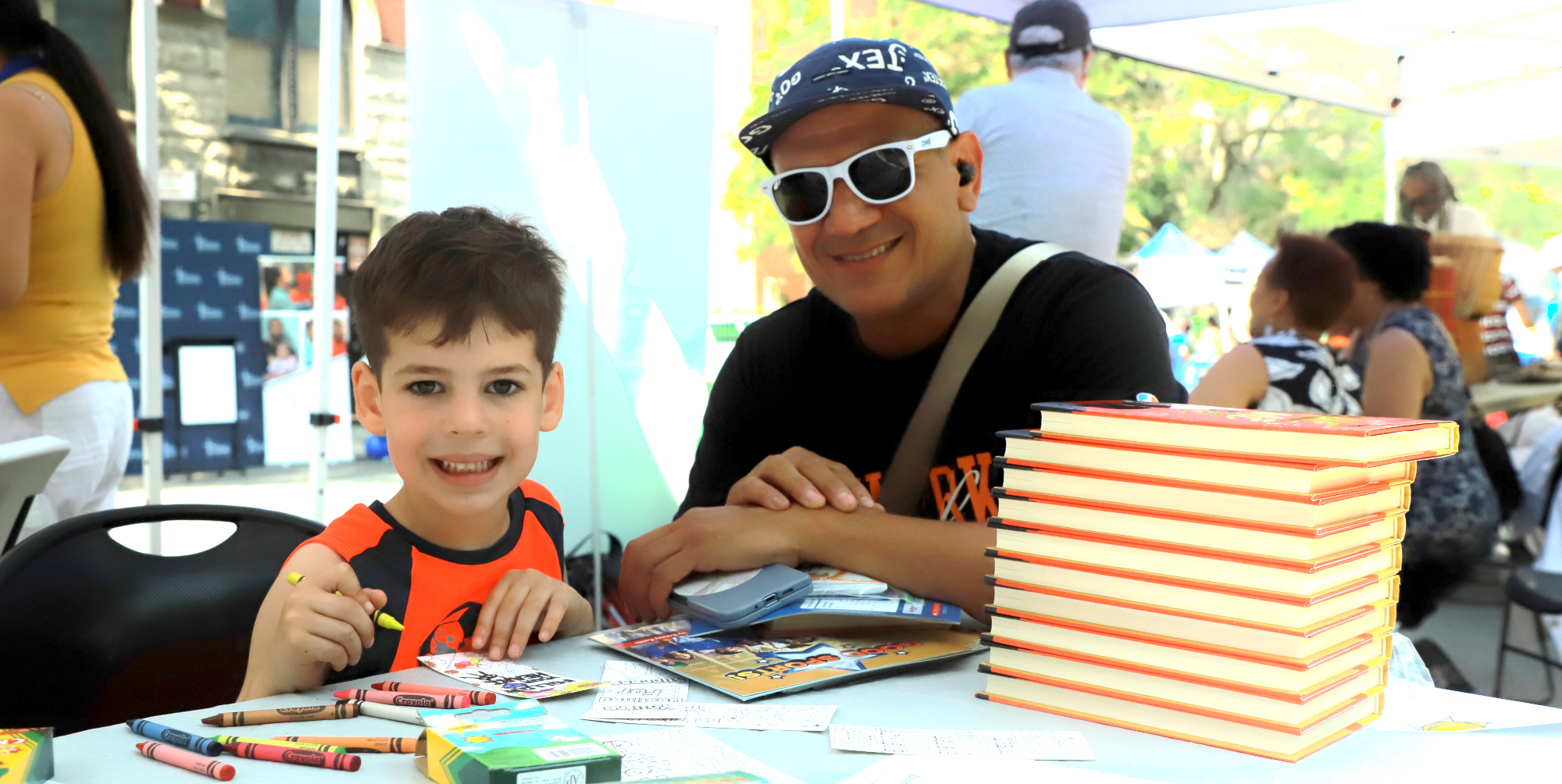
The support available at Second Farms extends well beyond case management and crisis intervention. Residents have participated in workshops, bingo nights, Zumba classes, holiday celebrations, and back-to-school events designed to strengthen the community.
“It really became a community,” Michelle said. “People started calling their neighbors and asking, ‘Are you coming to bingo?’ They’d bring food to share, and everyone looked forward to being together.”
As both a mother and someone who works in education, she understands how important those events can be for families. “Not every parent has the ability to buy school supplies,” she said. “When children receive a new backpack and new supplies, it gives them the motivation to look forward to school.”
Programs like these, she said, do more than meet practical needs. They encourage families, create connections among neighbors, and remind residents that they are supported by a community that wants to see them succeed.
A Family Together Again
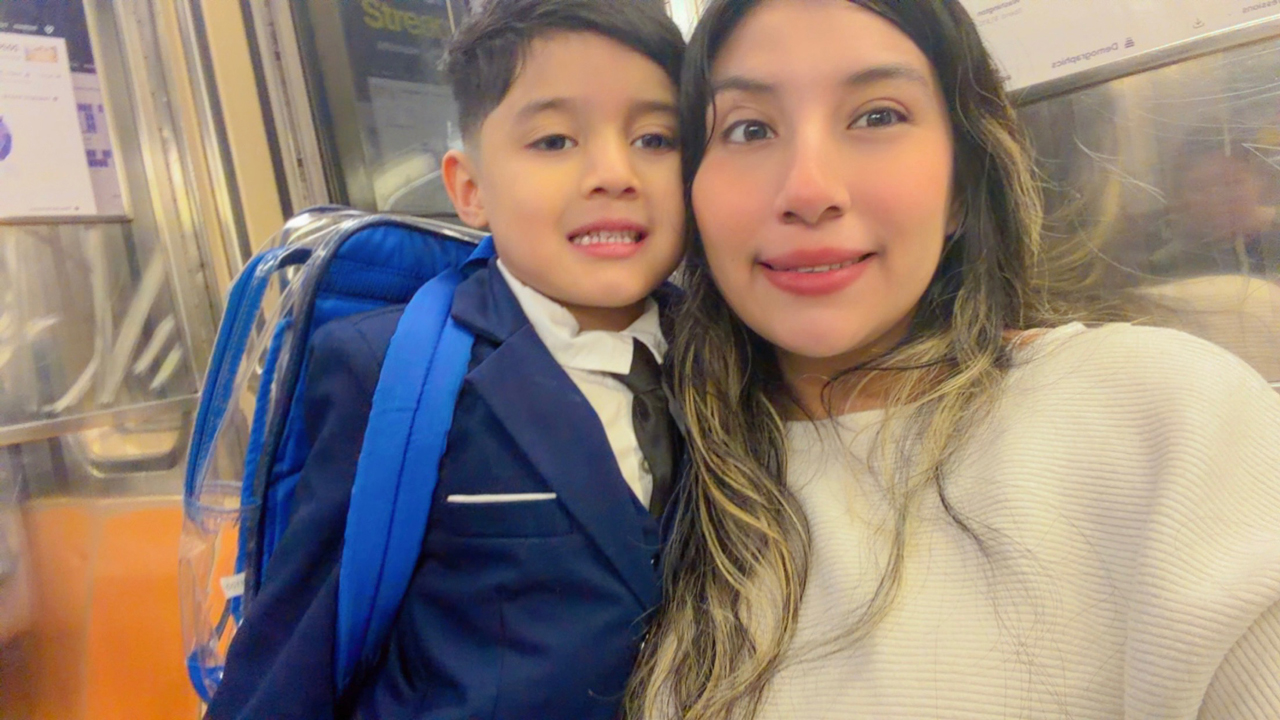
Today, Licis’s greatest joy is having her family together again. After nearly nine years apart, her eldest son, Junior, has been reunited with her in New York.
Today, Junior is thriving in school, learning English, making friends, and embracing the opportunities his mother dreamed of giving him. Seeing him build a future in the United States has reaffirmed every sacrifice she made along the way. “I want all of my children to go to school and prepare themselves,” Licis said. “I want them to have opportunities.”
Michelle couldn’t agree more.
Watching Licis grow from someone who simply stopped by the office to say hello into a college student, dedicated mother, volunteer, and role model in the community has been one of the most rewarding parts of her work.
“She always wanted to do better,” Michelle said. “Sometimes people just need someone to encourage them and remind them they’re capable of reaching those goals.”
Licis had one final message for the donors, volunteers, and supporters whose generosity makes Catholic Charities’ work possible.
“Thank you for adding your little grain of sand,” she said. “It helps people who need it.”